
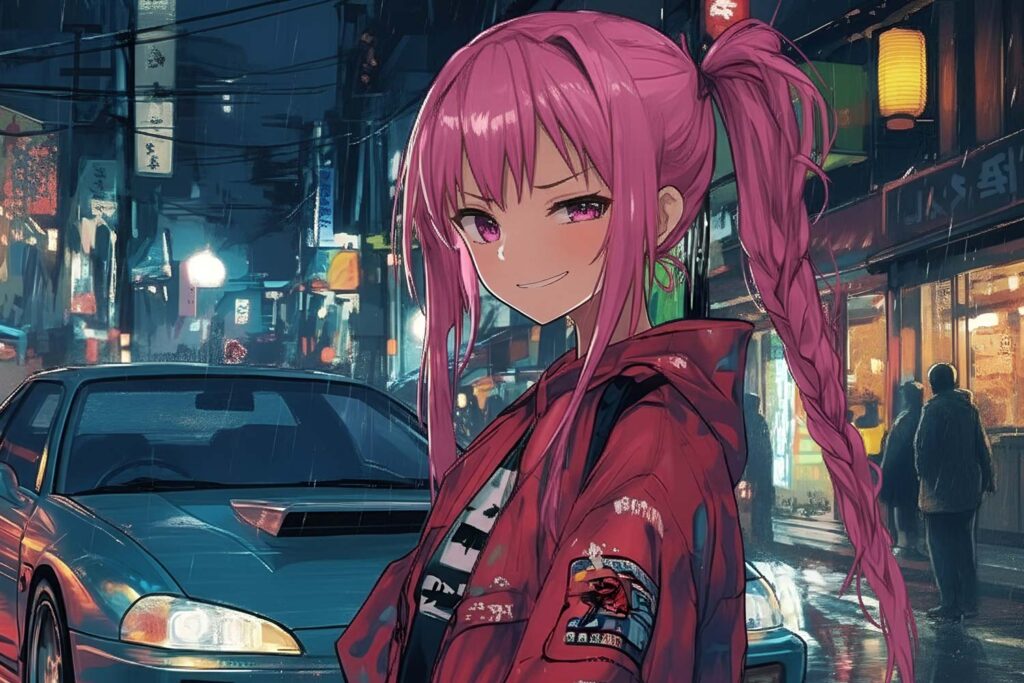
A creative portfolio is more than just a collection of finished work. It represents a designer’s mindset, taste, and approach to visual problem solving. Freelancers rely on portfolios to communicate value without speaking directly. Every layout choice reflects personality and professionalism at the same time. Designers who curate their work carefully gain stronger trust from potential clients. A clear creative direction helps projects feel intentional and memorable. Visual consistency plays a key role in building recognition. Freelancers often compete based on style rather than price. A strong portfolio simplifies decision making for clients. It becomes a silent but powerful marketing tool.
Designers today are expected to balance creativity with clarity. A portfolio should guide viewers naturally through the work. Visual hierarchy helps important elements stand out instantly. Typography choices influence emotional perception more than expected. Color palettes can reinforce personal identity when used consistently. Freelancers benefit from showing both range and focus. Too many unrelated styles can confuse potential clients. Curated projects communicate experience more effectively than quantity. Each project should have a clear purpose. Thoughtful presentation elevates even simple design work.
Freelance designers often develop their own creative workflows over time. A structured process helps maintain quality across projects. Consistency improves efficiency and creative confidence. Many designers start with exploration before refining ideas. Sketching and concept development prevent rushed decisions. Visual references help shape direction without copying trends. Designers who document their process appear more professional. Clients appreciate transparency in creative decision making. A clear workflow reduces misunderstandings during collaboration. It also allows designers to scale their work sustainably.
Personal style is one of the strongest assets for creative freelancers. Style differentiates a designer in a crowded market. Anime-inspired or artistic visuals can attract niche audiences. Authentic expression often resonates more than generic design. Clients seek designers whose taste aligns with their vision. Strong identity builds long-term recognition and loyalty. Freelancers should embrace what makes their work unique. Style evolves naturally through consistent practice and experimentation. It should feel intentional rather than forced. A recognizable style turns projects into signatures.
Branding plays an important role within a creative portfolio. Designers are also brands representing their own values. Visual identity should reflect personality and professionalism equally. Logos, colors, and typography must feel cohesive. Even small details contribute to perceived quality. A strong brand presence increases credibility instantly. Freelancers with clear branding appear more established. Clients feel more confident reaching out. Branding helps portfolios feel complete and polished. It supports long-term growth as a creative professional.
A successful creative portfolio continues to evolve over time. Designers should update their work regularly. Removing outdated projects improves overall quality. Each update reflects growth and refined taste. Freelancers benefit from reviewing their portfolio objectively. Feedback can reveal gaps or strengths unnoticed before. A portfolio should always feel intentional and relevant. It acts as both archive and invitation. Continuous improvement keeps creative energy alive. A well-crafted portfolio opens doors to better opportunities.