
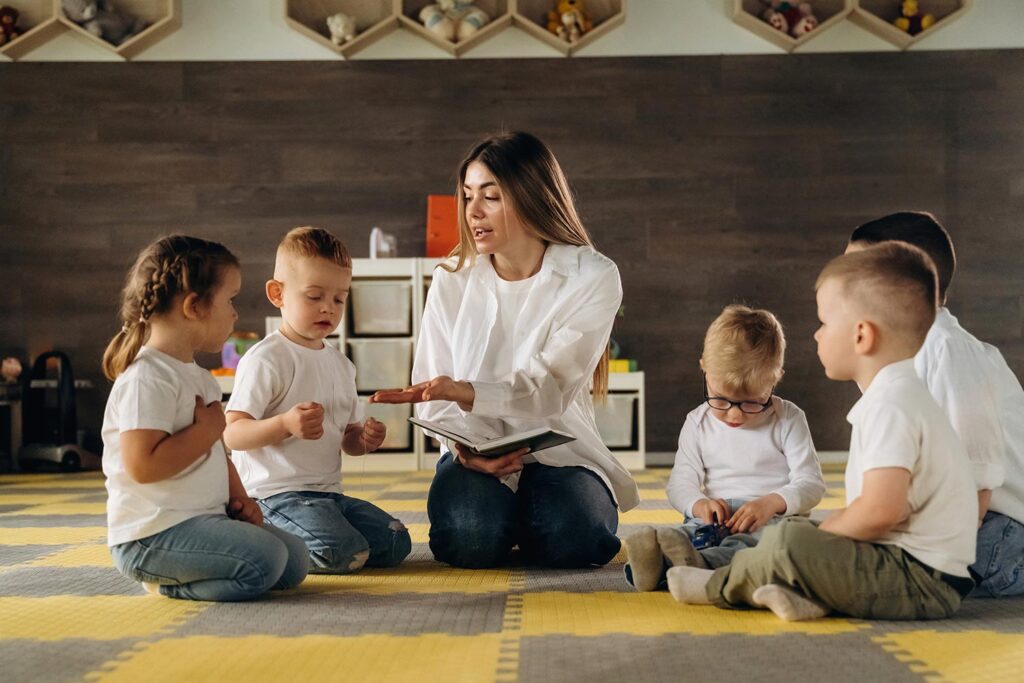
Play is one of the most effective ways for young children to learn and grow. Every activity introduces new opportunities to explore ideas and develop important life skills. Children naturally become curious when they are encouraged to play in a supportive environment. They learn by asking questions, solving simple problems, and discovering new experiences. Play also helps children express their emotions in healthy and creative ways. Whether they are building blocks, painting pictures, or pretending to be different characters, every moment becomes a valuable learning experience. A balanced play-based approach keeps children engaged while supporting their overall development. It allows them to enjoy learning without feeling pressure or stress. Parents often notice that children become more confident when learning feels fun. These early experiences create a strong foundation for future education.
Creative play encourages children to use their imagination while strengthening communication skills. They learn how to share ideas, listen to others, and work together during group activities. Simple games teach valuable lessons about patience, kindness, and teamwork. Children also improve their vocabulary by talking with teachers and friends throughout the day. Storytelling, singing, and role-playing introduce new words in enjoyable ways. These experiences make language development feel natural instead of forced. As children become more comfortable expressing themselves, their confidence continues to grow. Positive interactions with others help build meaningful friendships. These social experiences prepare children for future classroom environments. Every playful conversation becomes an opportunity to learn something new.
Physical activities are another important part of play-based learning. Running, jumping, climbing, and balancing help children develop coordination and motor skills. Outdoor play encourages healthy movement while improving strength and flexibility. Children also gain confidence as they master new physical challenges. Fun obstacle courses and playground games promote problem-solving alongside physical development. Fine motor skills improve through activities such as drawing, cutting paper, and building with small objects. These everyday experiences support independence during daily routines. Staying active also contributes to better focus and emotional well-being. Children who enjoy regular movement often develop healthier habits as they grow. Active play creates a balanced learning experience that supports both body and mind.
Hands-on learning encourages children to become independent thinkers. Instead of memorizing information, they discover answers through exploration and experimentation. Teachers guide children by asking thoughtful questions rather than providing every solution. This approach builds confidence and encourages curiosity. Science activities, sensory play, and simple experiments inspire children to observe and investigate the world around them. They begin recognizing patterns, making predictions, and understanding basic concepts through direct experience. Mistakes become valuable opportunities to learn instead of something to fear. Children gradually develop resilience as they try new ideas and solve small challenges. This mindset supports lifelong learning and personal growth. Curiosity becomes one of their greatest strengths.
A nurturing learning environment makes every child feel safe, valued, and supported. Caring educators understand that each child learns at a different pace. They celebrate individual progress while encouraging children to explore their interests. Positive encouragement motivates children to try new activities with confidence. Families also play an important role by supporting learning at home through reading, conversations, and creative play. Strong communication between parents and educators creates consistency for children. When children feel supported both at home and in the classroom, they become more confident learners. Every positive interaction strengthens emotional security and trust. This partnership helps children enjoy learning every day. A caring community encourages healthy development in every stage of childhood.
Play-based learning offers benefits that continue far beyond the preschool years. Children develop essential academic, social, emotional, and physical skills through meaningful experiences. They become confident communicators, creative thinkers, and active problem-solvers. Learning through play helps children build a genuine love for discovering new things. These positive experiences encourage independence and resilience as children continue their educational journey. Parents can feel confident knowing their children are developing important life skills while having fun. Every playful moment contributes to future success in school and beyond. Investing in quality early learning experiences creates lasting opportunities for growth. Strong foundations built during early childhood often influence lifelong confidence and achievement. When learning begins with joy and curiosity, children are better prepared for a bright and successful future.