
Preparing Your Child For Their First Preschool
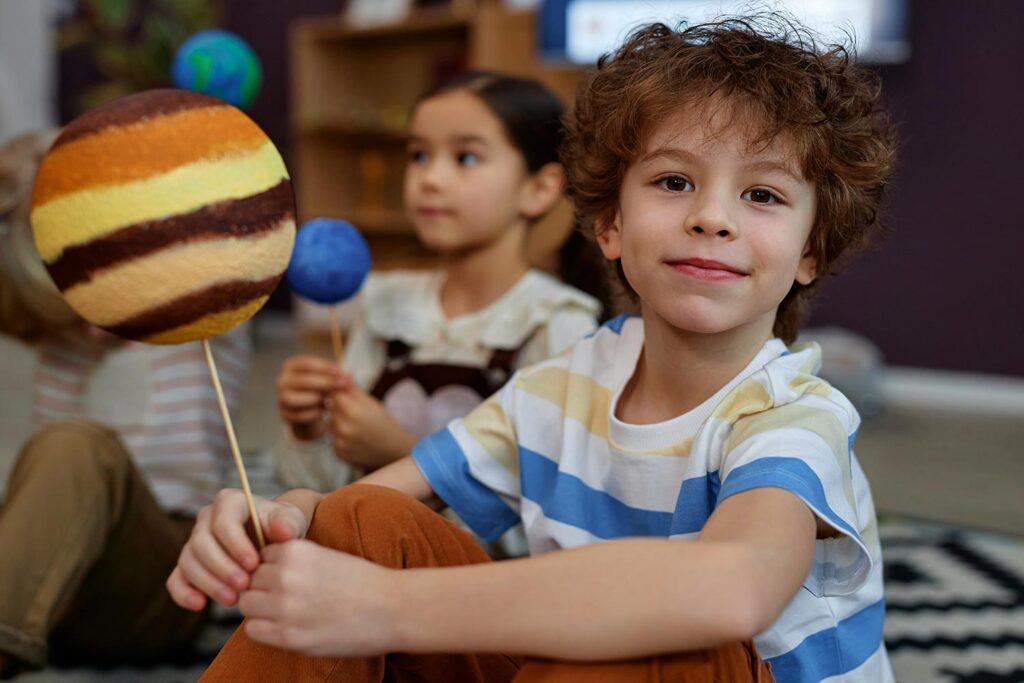
Play is one of the most effective ways for young children to learn and grow. Every activity introduces new opportunities to explore ideas and develop important life skills. Children naturally become curious when they are encouraged to play in a supportive environment. They learn by asking questions, solving simple problems, and discovering new experiences. Play also helps children express their emotions in healthy and creative ways. Whether they are building blocks, painting pictures, or pretending to be different characters, every moment becomes a valuable learning experience. A balanced play-based approach keeps children engaged while supporting their overall development. It allows them to enjoy learning without feeling pressure or stress. Parents often notice that children become more confident when learning feels fun. These early experiences create a strong foundation for future education.
Why Social Interaction Matters During Preschool Years
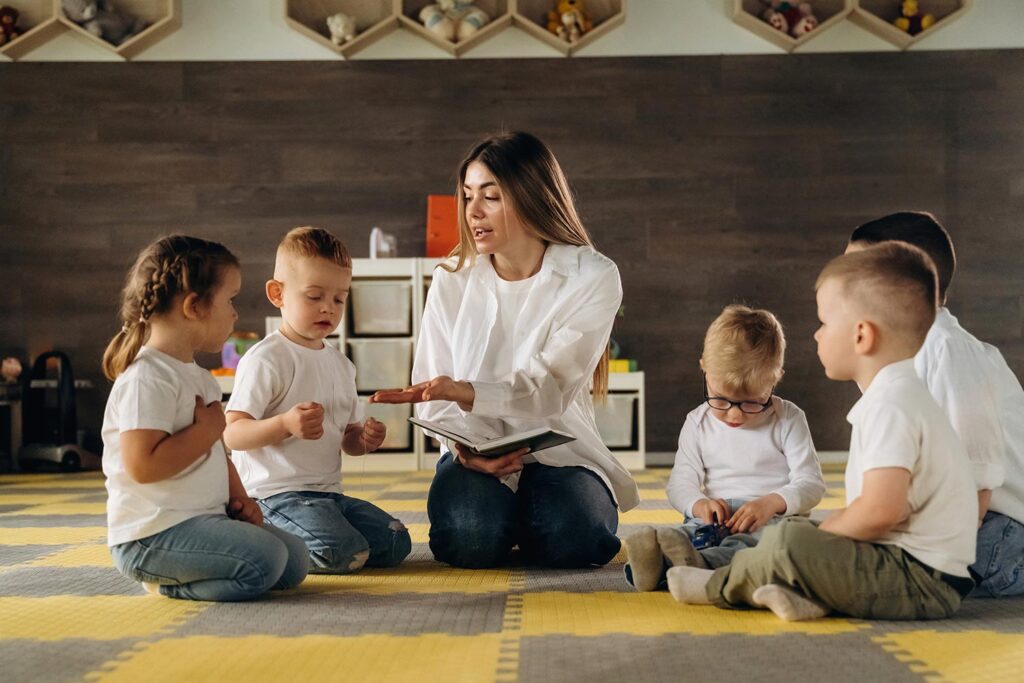
Play is one of the most effective ways for young children to learn and grow. Every activity introduces new opportunities to explore ideas and develop important life skills. Children naturally become curious when they are encouraged to play in a supportive environment. They learn by asking questions, solving simple problems, and discovering new experiences. Play also helps children express their emotions in healthy and creative ways. Whether they are building blocks, painting pictures, or pretending to be different characters, every moment becomes a valuable learning experience. A balanced play-based approach keeps children engaged while supporting their overall development. It allows them to enjoy learning without feeling pressure or stress. Parents often notice that children become more confident when learning feels fun. These early experiences create a strong foundation for future education.
Helping Children Build Confidence Through Everyday Learning

Play is one of the most effective ways for young children to learn and grow. Every activity introduces new opportunities to explore ideas and develop important life skills. Children naturally become curious when they are encouraged to play in a supportive environment. They learn by asking questions, solving simple problems, and discovering new experiences. Play also helps children express their emotions in healthy and creative ways. Whether they are building blocks, painting pictures, or pretending to be different characters, every moment becomes a valuable learning experience. A balanced play-based approach keeps children engaged while supporting their overall development. It allows them to enjoy learning without feeling pressure or stress. Parents often notice that children become more confident when learning feels fun. These early experiences create a strong foundation for future education.
Simple Activities That Boost Early Childhood Development
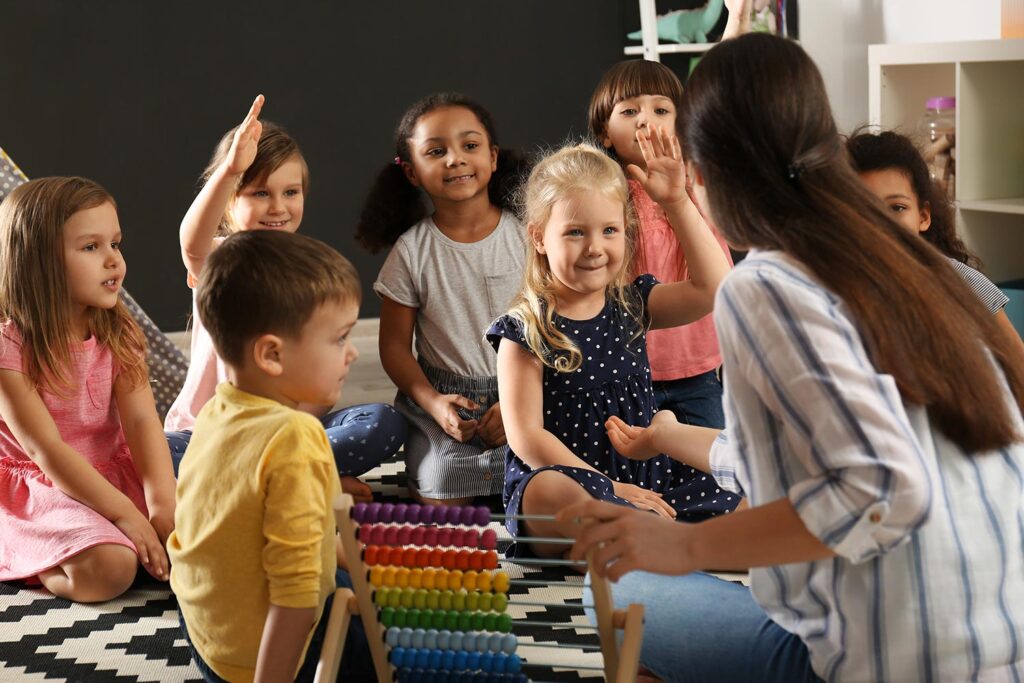
Play is one of the most effective ways for young children to learn and grow. Every activity introduces new opportunities to explore ideas and develop important life skills. Children naturally become curious when they are encouraged to play in a supportive environment. They learn by asking questions, solving simple problems, and discovering new experiences. Play also helps children express their emotions in healthy and creative ways. Whether they are building blocks, painting pictures, or pretending to be different characters, every moment becomes a valuable learning experience. A balanced play-based approach keeps children engaged while supporting their overall development. It allows them to enjoy learning without feeling pressure or stress. Parents often notice that children become more confident when learning feels fun. These early experiences create a strong foundation for future education.
Creating Positive Daily Routines For Young Children
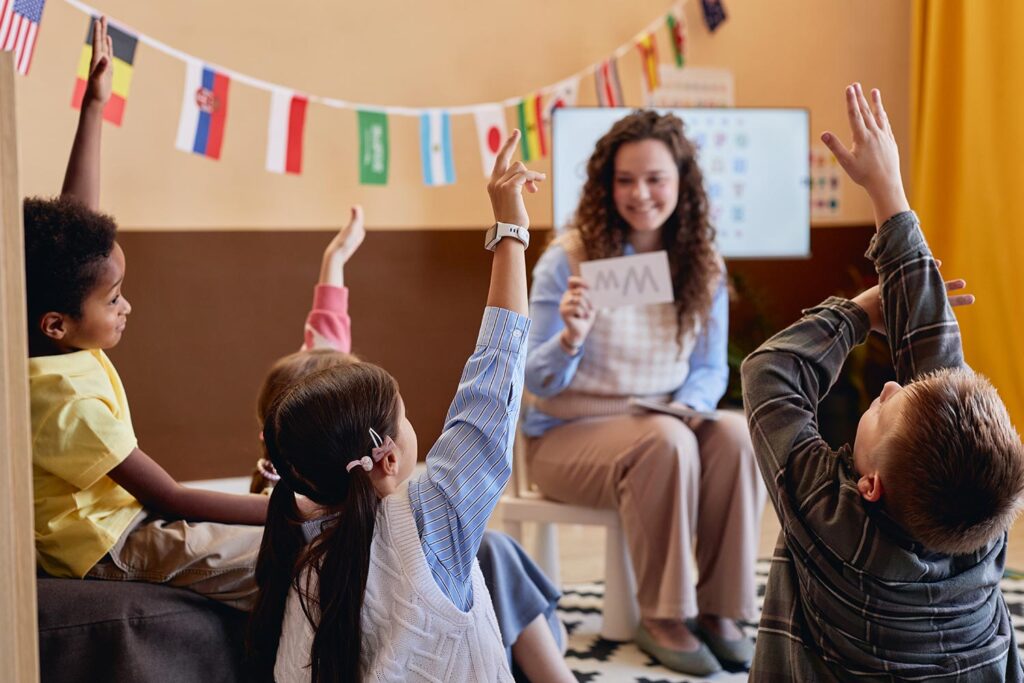
Play is one of the most effective ways for young children to learn and grow. Every activity introduces new opportunities to explore ideas and develop important life skills. Children naturally become curious when they are encouraged to play in a supportive environment. They learn by asking questions, solving simple problems, and discovering new experiences. Play also helps children express their emotions in healthy and creative ways. Whether they are building blocks, painting pictures, or pretending to be different characters, every moment becomes a valuable learning experience. A balanced play-based approach keeps children engaged while supporting their overall development. It allows them to enjoy learning without feeling pressure or stress. Parents often notice that children become more confident when learning feels fun. These early experiences create a strong foundation for future education.
How Play Based Learning Builds Lifelong Skills
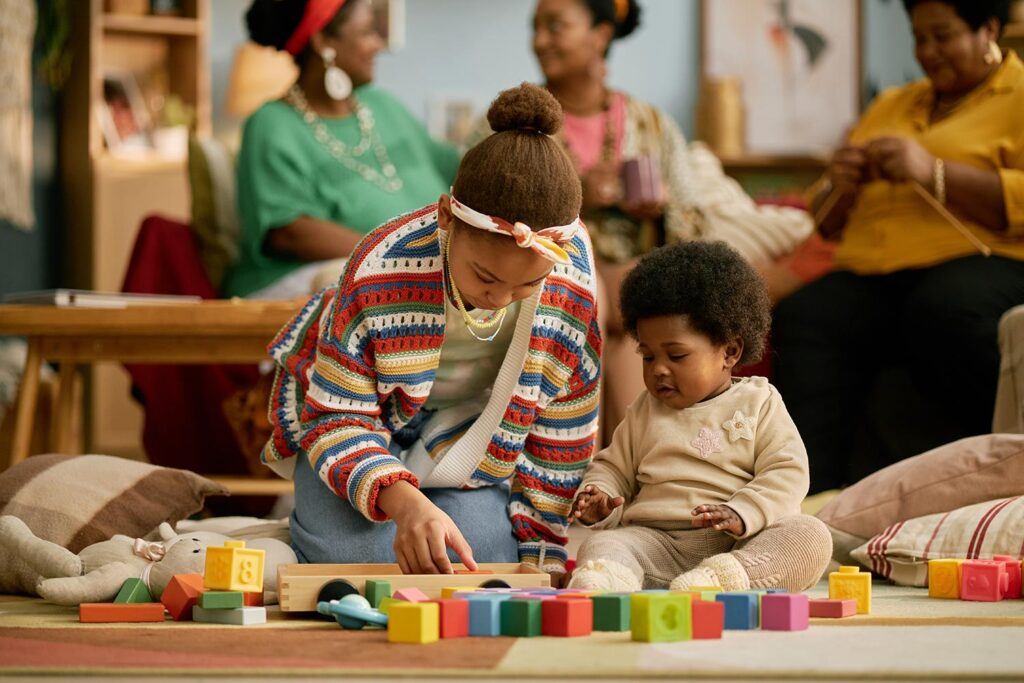
Play is one of the most effective ways for young children to learn and grow. Every activity introduces new opportunities to explore ideas and develop important life skills. Children naturally become curious when they are encouraged to play in a supportive environment. They learn by asking questions, solving simple problems, and discovering new experiences. Play also helps children express their emotions in healthy and creative ways. Whether they are building blocks, painting pictures, or pretending to be different characters, every moment becomes a valuable learning experience. A balanced play-based approach keeps children engaged while supporting their overall development. It allows them to enjoy learning without feeling pressure or stress. Parents often notice that children become more confident when learning feels fun. These early experiences create a strong foundation for future education.